Register For Our Mailing List

Register to receive our free weekly newsletter including editorials.

Home / 673

Don’t underestimate Australia

My recent conversations with clients have become noticeably more negative on Australia.

It feels similar to the ‘mortgage cliff’ narrative of 2022 and 2023. The risks were spoken about constantly, but the most bearish outcomes did not materialise.

Here are 17 reasons Australia remains an attractive place to invest, and why the economy and markets will prove more resilient than current sentiment suggests.

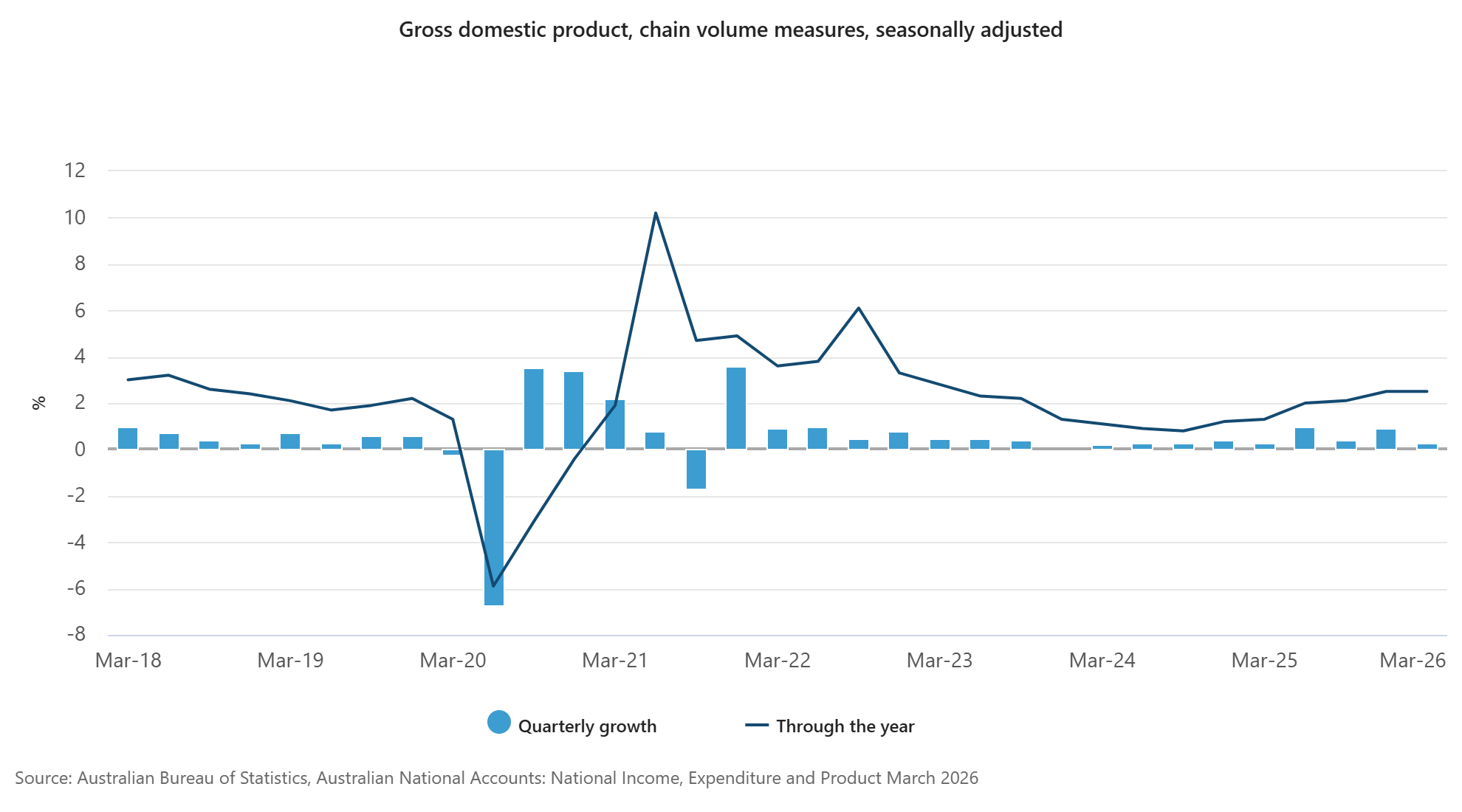
1. The economy is still expanding. Real GDP increased 2.5% over the year to March 2026.
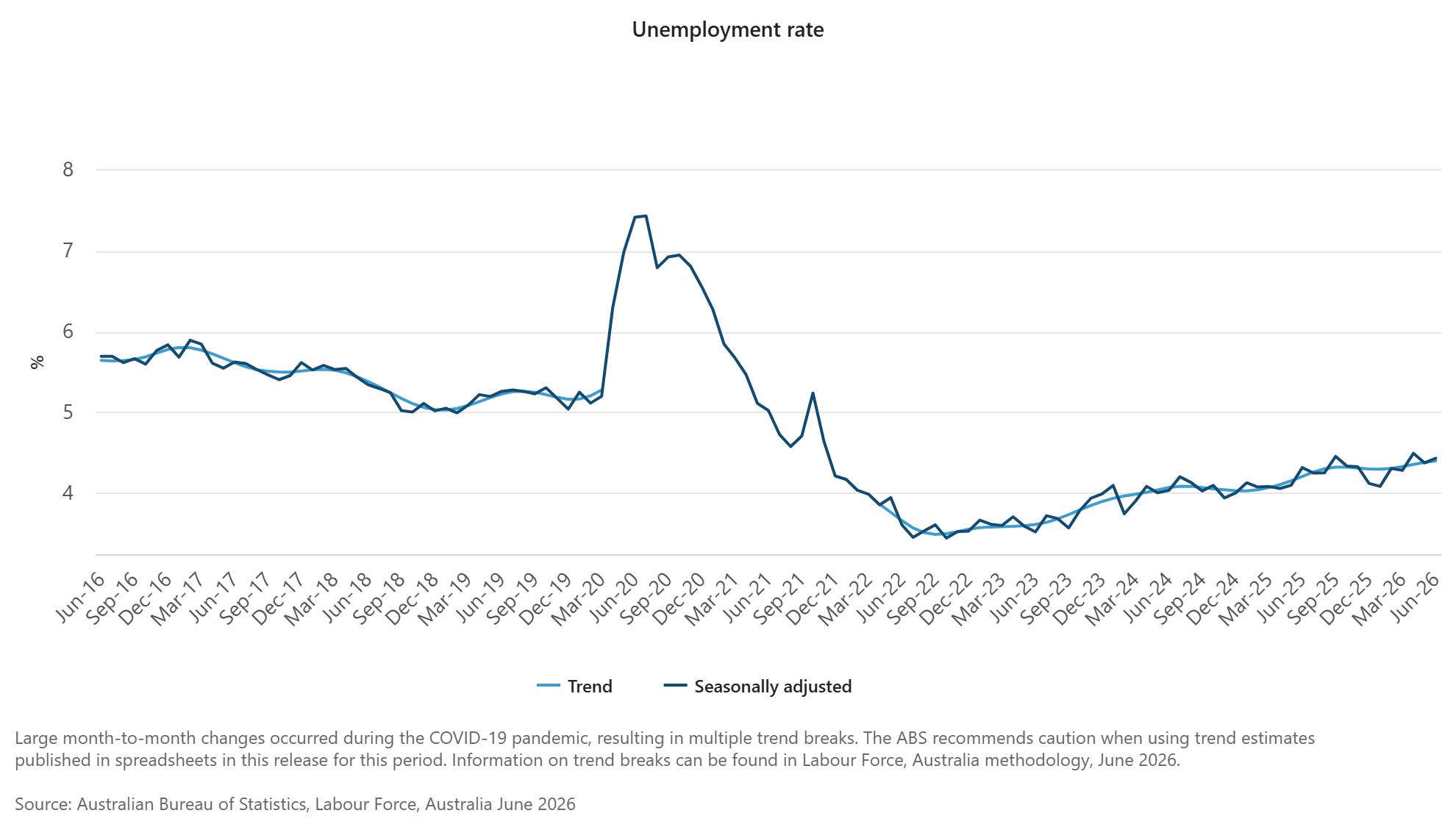
2. The 4.4% unemployment rate remains well below its long-run average.
3. Mortgage holders are still building savings buffers.

4. Fewer than 1% of variable-rate mortgages are 90+ days in arrears.

5. Household net worth reached approximately A$19.2 trillion in March 2026, increasing by A$225 billion during the quarter.

6. Australian banks remain highly capitalised. Major-bank CET1 ratios remain above 11%, exceeding APRA’s ‘unquestionably strong’ benchmark of 10.5%.

7. High-risk lending is constrained. APRA limits the proportion of new loans that banks can make at debt-to-income ratios of six times or more.

8. Australia has a A$4.4 trillion pool of retirement savings. Superannuation assets increased 7.9% over the year to March 2026, creating a deep and steadily growing source of domestic capital.

9. The Australian dollar acts as a shock absorber. The RBA explicitly identifies this channel as a source of resilience.

10. Australia retains its AAA sovereign rating.

11. Federal net debt remains low relative to most developed economies. Net debt is forecast at 19.9% of GDP in 2026-27.

12. Australian government gross debt to GDP at 51.9% remains below that of every major advanced economy. The average for G7 economies is 123.7%.

13. Australia’s population is still growing at 1.5% a year. Population growth supports aggregate consumption, housing demand, infrastructure investment and the tax base.

14. Economy-wide capital investment represented 25.1% of GDP in the March quarter of 2026.

15. Compulsory superannuation creates recurring investment demand. Contributions and investment returns continually add to the domestic savings pool, supporting Australian equities, credit, infrastructure, property and private markets.

16. Resource export income remains historically high and is becoming more diversified. Iron ore remains the largest export earner, but gold exports are forecast to reach approximately A$73 billion in 2026-27, while LNG volumes remain strong.

17. Australia is positioned across several long-term global investment themes. We have material exposure to iron ore, LNG, gold, copper, lithium, nickel, aluminium and critical minerals required for electrification, renewable energy, defence supply chains and data-centre infrastructure.

Don’t underestimate Australia!


Anthony Doyle is Chief Investment Strategist at Pinnacle Investment Management Group.


  •   29 July 2026
  • 5
  •      
  •   
5 Comments
Lyn
August 03, 2026

AlanB, your 6 reasons added make 33, let's hope it turns around a national vibe to positivity. Drove through popular Sunday - outing/lunch spot yesterday at 1p.m., as lights red able to view 2 rows of popular restaurants with few or no customers, thinking what a downer for owners on such a beautiful day for outings & all the staff prep. time wasted.

Dan
August 02, 2026

Just about every one of these factors is deteriorating. Markets react to the rate of change.

4
allan
July 30, 2026

I always like the choice of benchmarks We may have less debt than any other country but it us still too much! Put Victoria et al and it is even worse!

2
ACB
August 03, 2026

Great article.
A minor quibble: it’s a shame that the published unemployment numbers exclude underemployment rates. The ABS definition of unemployment excludes someone who has worked for “even for hour during the reference period” which disguises changes in underemployment. So we can’t draw any meaningful conclusions from the raw unemployment numbers without further investigation.


Leave a Comment:

RELATED ARTICLES

Shares rebound on hopes of war ending, but stalemate the likely outcome

The bull case for Melbourne

The case for Australian AI

banner

Most viewed in recent weeks

Does your will qualify for the discretionary testamentary trust exemption?

Treasury has confirmed the exemption many families were hoping for. But buried in the fine print are two conditions that could leave some wills on the wrong side of the exemption, despite years of careful planning.

Ranking three common retirement strategies

The defining challenge of retirement isn't just about building wealth, it's about converting your lifetime savings into sustainable income. A holistic understanding of different strategies can improve long-term outcomes.

Are you making these SMSF mistakes?

After four decades advising investors, there are a few common mistakes I've seen SMSF investors make. From holding too much cash and chasing yield to overtrading and trusting tips. Are these errors costing you?

Australia has saved $4.5 trillion for retirement. Here's what matters more

Most Australians approaching retirement can tell you the exact dollar value of their super account. But success depends on more than a sizeable balance. Here's four key questions to ask yourself at the start of the financial year. 

Lithium's latest drop and what it means for ASX investors

Lithium's latest sell-off has punished ASX miners as prices remain hostage to shifting expectations. The key challenge is navigating a market prone to extreme volatility despite a strong case for the long-term demand outlook.

Retirement spending is not one-size-fits-all

New data challenges the idea that Australians are underspending their super. The bigger issue may be helping retirees navigate complexity, make confident decisions and use their savings to support security, wellbeing and choice.

Latest Updates

Retirement

Will you run out of money in retirement?

Fear of running out has become a defining retirement anxiety. Why do some retirees die with substantial wealth while others deplete their nest egg? Evidence suggests the answer is more complicated than we think. 

Investing

The investment that sidesteps the new tax traps

Tax rules have changed, but many investors are still using yesterday’s strategies. Insurance bonds may offer advantages for those seeking greater control, tax efficiency and certainty about their wealth.

Shares

The role of shareholder yield in a portfolio

Investors may be overlooking a timeless source of returns in a volatile market. The companies that consistently generate and return cash to shareholders have often proved remarkably resilient through uncertainty.

Shares

Australian inflation still well above the RBA's target

The RBA has spent more than three decades pursuing its 2%-3% inflation target. But the numbers tell a far more complicated story than the headlines. The results may surprise both its strongest critics and most loyal defenders.

Retirement

Retirement in reality - 5 months in

Retirement planning doesn't end when work does. Five months in, Joanne reflects on retiring at a different time to your spouse, coping with setbacks and the importance of rest. Some lessons only become clear after the fact.

Latest from Morningstar

What 6 key market indicators are telling investors right now

Are markets still expensive? There are the six key indicators Aussie investors need to know. From gold and equities to bonds, oil, bitcoin and the US dollar. The data reveals where opportunities and risks may lie for investors today.

Investing

Can you ride the AI bubble without overpaying?

AI may prove as transformative as the internet, but markets are behaving as if success is guaranteed. As capital races towards unprecedented levels, investors should ask whether enthusiasm is getting ahead of reality.

Sponsors

Alliances

  • ASA-Logo-RGB-ActiveGreen-web.png

© 2026 Morningstar, Inc. All rights reserved.

Disclaimer
The data, research and opinions provided here are for information purposes; are not an offer to buy or sell a security; and are not warranted to be correct, complete or accurate. Morningstar, its affiliates, and third-party content providers are not responsible for any investment decisions, damages or losses resulting from, or related to, the data and analyses or their use. To the extent any content is general advice, it has been prepared for clients of Morningstar Australasia Pty Ltd (ABN: 95 090 665 544, AFSL: 240892), without reference to your financial objectives, situation or needs. For more information refer to our Financial Services Guide. You should consider the advice in light of these matters and if applicable, the relevant Product Disclosure Statement before making any decision to invest. Past performance does not necessarily indicate a financial product’s future performance. To obtain advice tailored to your situation, contact a professional financial adviser. Articles are current as at date of publication.
This website contains information and opinions provided by third parties. Inclusion of this information does not necessarily represent Morningstar’s positions, strategies or opinions and should not be considered an endorsement by Morningstar.