Volatility is the new world order it seems. Whether it’s a pandemic or warfare, with associated supply shocks, we should now almost always expect rolling uncertainty.
The ongoing war in Iran has exposed Australia’s dependency on importing hydrocarbons, which has opened up vigorous debate as to how we deal with this. There are those who say we need to double down on the renewable energy roll out, and those who argue we need to extract and refine our own liquid fuels and use our abundance of fossil fuels to our advantage.
Chris Bowen insists that the nation must build sovereign capability through renewables in response to the fuel crisis. “In all my discussions with my international colleagues, energy and climate, there isn’t one country in the world that said: ‘You know what this fuel crisis reminds us? We need more fossil fuels’”, Bowen said. As his boss was flying to Singapore and Brunei to shore up imports of diesel, crude oil, and urea fertiliser to Australia.
Bowen also makes the case that the sun and wind can’t be blockaded by global conflicts. That the weather is sovereign. But almost all of our renewables infrastructure, including solar panels and wind turbines, is manufactured in and imported from China.
On the other hand, former UK Prime Minister Tony Blair has accused the Starmer Labour government of taking an ideological approach to net zero, calling on it to approve new oil and gas fields in the North Sea to protect from energy price shocks.
In reality, this should not be an either/or proposition. The question should be whether we are maintaining energy capabilities required of a modern economy as we roll out a renewables based system, and are we mismanaging the balance?
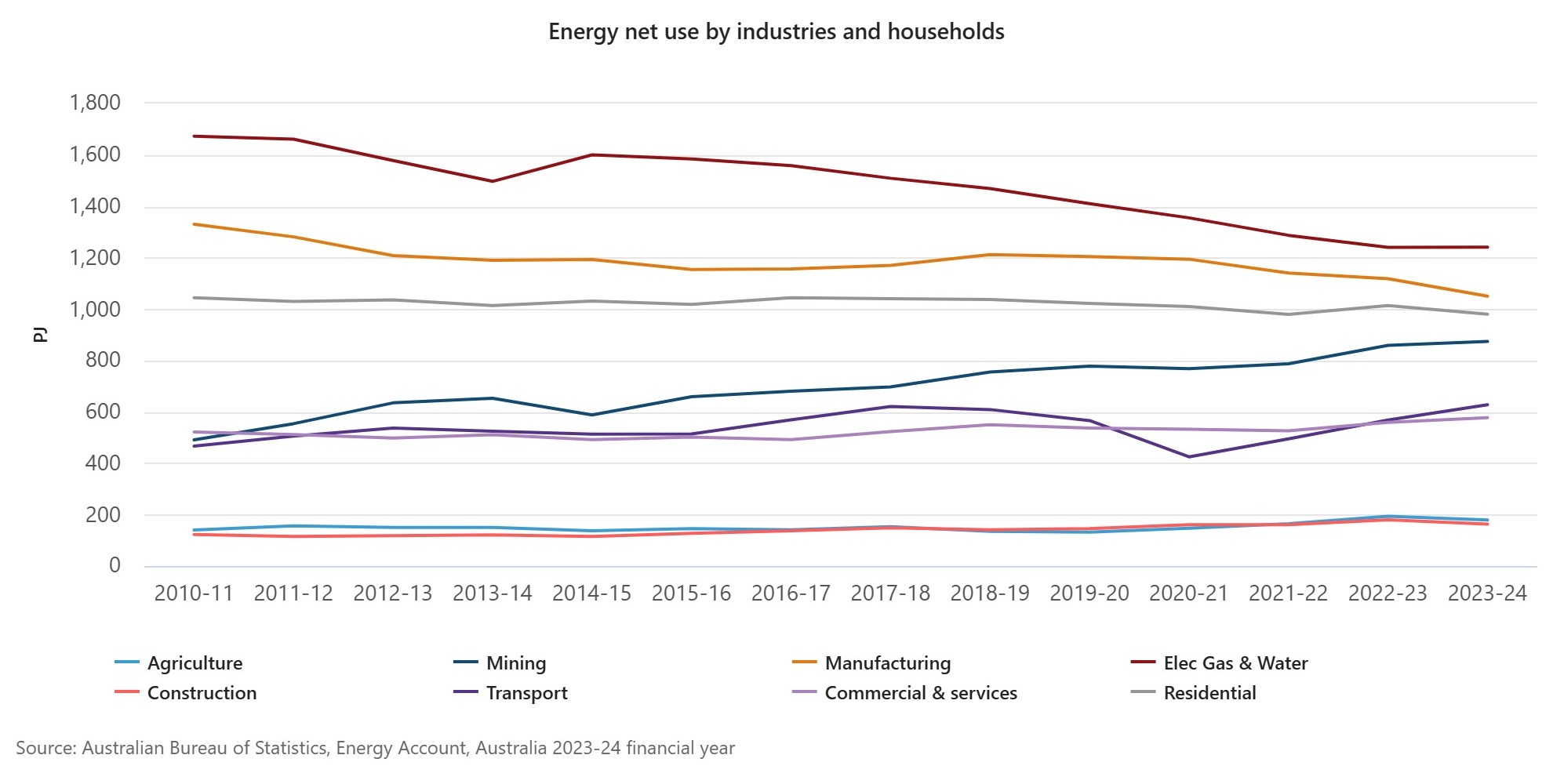
Australia’s energy vulnerability is more a result of policy than a lack of resources. We are one of the largest exporters of coal and gas, yet we rely heavily on importing refined liquid fuels to power much of the economy, including transport, agriculture, mining, and industry. Fossil fuels supply around 90% of Australia’s overall energy needs. And while we have been prioritising a transition away from fossil fuel derived electricity, we have been less focused on maintaining fuel security.
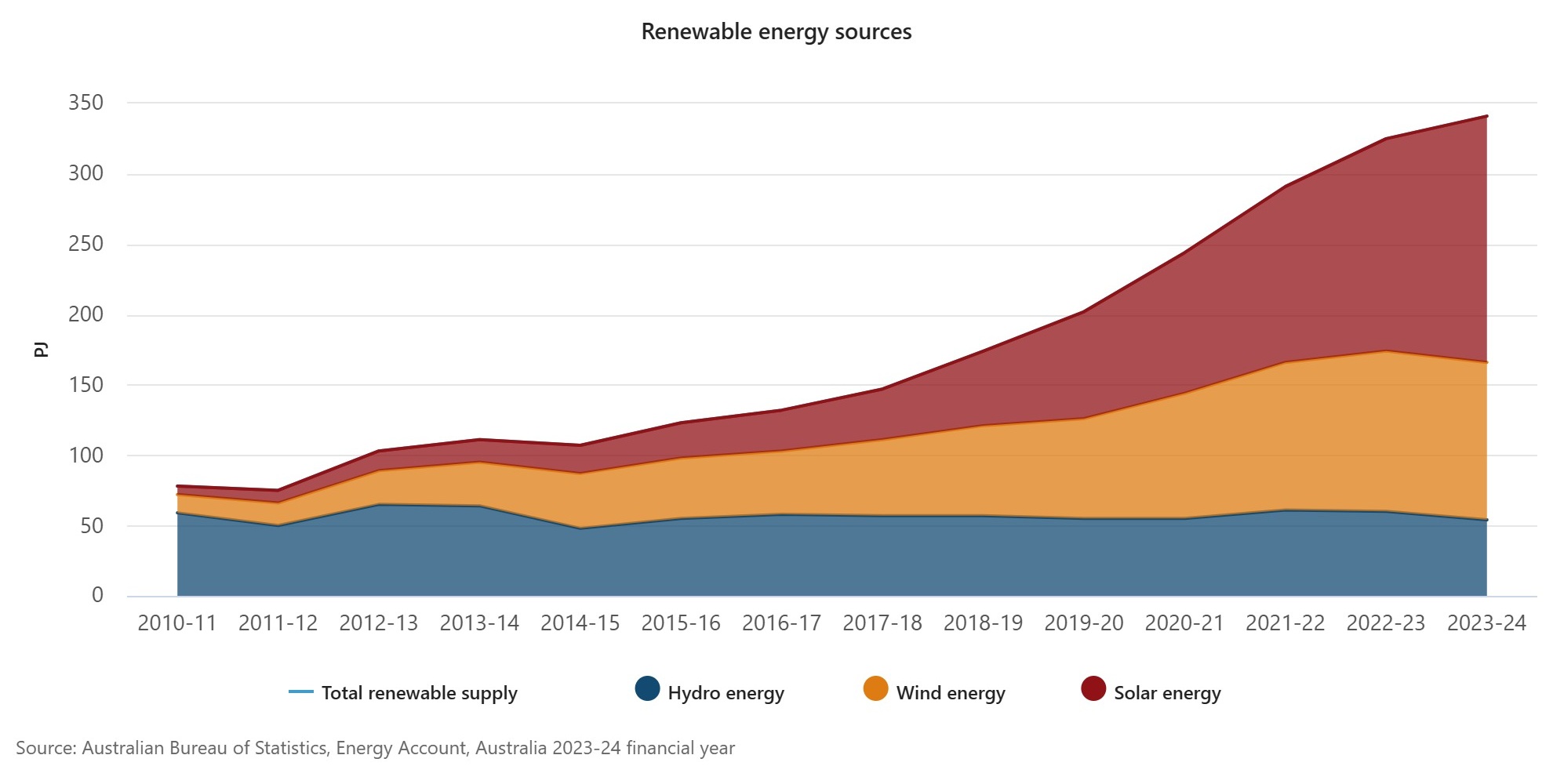
Renewable energy sources certainly have a role to play in our electricity system. But as I have already documented, the variable nature of their output requires significant backup, storage, and transmission. Which, when done properly, takes time, investment, and careful sequencing so as to avoid a system of duplication in terms of both infrastructure and costs. And importantly, renewables only address electricity generation, not sectors of the economy that are heavily dependent on liquid fuels. The limitations of transitioning to renewable energy sources need to be recognised.
Fossil fuels, however, have a far larger role to play beyond electricity generation, doing the heavy lifting in transporting goods and operating heavy industry. These are energy-dense liquid fuels that are indispensable in a geographically isolated country like Australia. They are essential to economic continuity and national security. Yet we only have about 30 days’ worth of fuel stockpiled at any one time, far below the recommended 90 days required for reasonable security.
Germany surely must be a cautionary tale that Australia should heed in doubling down on renewables in a fuel crisis. Prior to the Russian invasion of Ukraine in 2022, Germany had shut down coal and nuclear facilities, ramping up a rollout of renewables plus gas backup imported from Russia. When the war hit and the gas pipeline closed off, Germany faced an energy crisis. It reactivated coal-fired power plants, and extended the running of final nuclear plants yet to close.
Then the German government dug in, claiming renewables was the only way to secure energy sovereignty. By 2024, renewable energy sources powered over 60% of the country’s grid, but the economy struggled. In early 2025, a wind ‘drought’ forced more fossil fuels into the energy mix, and it increased imports of nuclear energy from France, and coal power from other neighbours.
Our geographic location sends the risk of a predominantly renewables strategy even higher than that faced by Germany, because being an energy island, there is no international extension cord to plug into. And because of our isolation, we are building massive overcapacity, with The Australian Energy Market Operator saying we need about nine times the renewable generation we have currently, together with huge amounts of backup and storage. Of course all of this comes at enormous cost.
The German experience has highlighted the importance of backup required within our own borders, which is why all fuel sources should be on the table. Coal, gas, nuclear, wind, and solar. And in the short-term, we need to be actually doubling down on fossil fuels, and in particular, drilling, refining, and storing our own fuel.
With domestic crude production down a whopping 90% since just 2010, with just two oil refineries remaining here, we import 80 to 90% of our refined fuel requirements. We have been left with little sovereign capability when it comes to fuel production, as we have become almost entirely reliant on overseas production.
If we think we have problems securing adequate fuel supplies now, imagine if there was conflict in the Pacific and associated chokepoints like the Taiwan Strait. To build resilience we need to be proactive, and domestic oil exploration and production should be top of the agenda.
Tony Dillon is a freelance writer and former actuary. This article is general information and does not consider the circumstances of any investor.